
Affiliate Disclosure: This post contains affiliate links. If you book through our links, we earn a small commission at no extra cost to you.
Dinner for two with wine: €18. A boutique room inside a 15th-century Venetian palace: €65 a night. A boat trip across one of Europe's most photographed bays: €15.
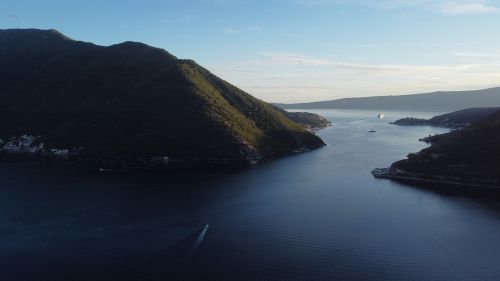
Kotor is what Dubrovnik was twenty years ago — a UNESCO-listed medieval walled city on a breathtaking bay — before the cruise ships arrived and the prices tripled. The ships come here too, now, but only until 5pm. After that, the city belongs to you.
This guide covers everything: the Old Town walls, the best places to eat without getting fleeced, which neighbourhood to base yourself in, and a complete budget breakdown so you know exactly what to expect.
The Story of Kotor
On April 15, 1979, at 7:19 in the morning, the biggest earthquake in Montenegro's recorded history struck. 6.9 magnitude. The old town shook for forty seconds.
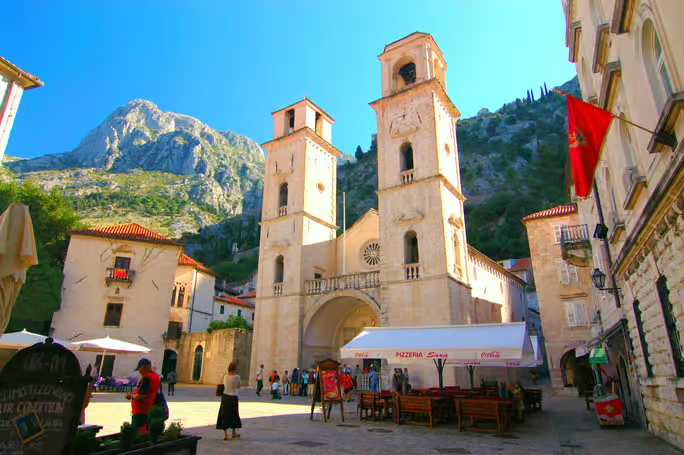
Sixty percent of the buildings inside the medieval walls collapsed. Churches that had stood since the 9th century came down. The Cathedral of Saint Tryphon, built in 1166, lost two of its towers. Rubble filled streets that sailors and merchants had walked for eight hundred years. 101 people died in Montenegro that morning. A significant number of them here.
What followed was unusual. UNESCO declared the old town an emergency restoration site, one of the first in the Balkans. Donations arrived from across Europe. Stonemasons from Italy, architects from France, builders from all over Yugoslavia worked alongside the locals for more than a decade. They matched 12th-century limestone blocks with the originals so precisely that today you cannot find the joins.
The city you walk into now is the one they rebuilt together.
That should make it feel less real. Somehow it does the opposite. Kotor has outlasted the Ottomans, Napoleon, three empires, and a literal collapse. Being rebuilt by hand is just the most recent chapter.
The 200-odd stray cats wandering the old town have been here through all of it. Sailors brought them centuries ago to manage rats in the holds. They never left. Locals treat them as something between a civic institution and a historical record.
Quick Facts
| Country | Montenegro |
| Currency | Euro (€) — Montenegro uses EUR despite not being in the EU |
| Language | Montenegrin / Serbian — English widely spoken in tourist areas |
| Visa | Not required for EU, US, UK, Australian citizens (90 days) |
| Nearest airports | Tivat (TIV) — 20km · Dubrovnik (DBV, Croatia) — 60km |
| Best season | May–June and September–October |
| Daily budget | €50–60 (budget) · €100–130 (mid) · €200+ (comfort) |
| Getting around | Old Town is car-free and walkable; bus for day trips |
Which Part of Kotor Should You Stay In?
Kotor is compact, but where you stay changes the experience considerably.
Old Town (Stari Grad) is the obvious choice — cobblestone alleys, Venetian architecture, church bells at odd hours, and no cars inside the walls. It's atmospheric and central, but it also means tourist-restaurant prices for breakfast and occasional cruise-ship noise until late afternoon. Best for: first-time visitors, atmosphere seekers, people without cars.
Dobrota is a quiet waterfront village 3km north of the Old Town. Local restaurants, half the prices, views directly across the bay to the mountains. A taxi to Old Town costs €5. Best for: couples, slow travellers, anyone wanting a local feel.
Muo sits directly across the bay from Kotor, reachable by a 5-minute water taxi (€2). Quieter still, genuinely residential, stunning views of the walled city from the other side. Best for: photographers, travellers who've been before.
Tivat (20km) is the airport town and home to Porto Montenegro, the upscale marina development. Practical for arrivals and departures; not somewhere to linger unless you have a yacht.
What Are the Best Things to Do in Kotor?
1. Walk the City Walls (€8, 2–3 hours)
The walls climb from the Old Town up to the fortress of San Giovanni at 260 metres. It's steep — 1,350 steps — but the views over the bay are worth every one of them. Go early morning (before 9am) or at golden hour to avoid both the heat and the cruise groups. Entry: €8 per person.
2. Wander the Old Town — for free
Within the walls, Kotor is a maze of squares, Venetian churches, and cats. There are an estimated 200–300 stray cats living in the Old Town; they've been here since Venetian sailors brought them to control the rats on their ships. The Cats Museum (€1.50) on Trg od mačaka is small but worth 20 minutes.
3. Take a Boat to Our Lady of the Rocks (€10–15 return)
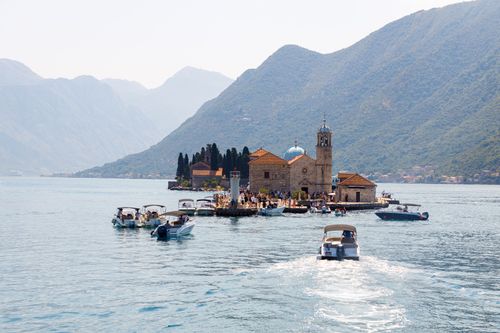
This tiny island church near Perast was built in 1452 — on an artificial island that locals constructed by sinking ships and rocks over centuries. The interior is covered in 68 votive paintings donated by sailors who survived storms. Boats leave from Perast, 15km from Kotor. Take the local bus (€2) or join a guided boat tour from Kotor harbour.
4. Perast — the Forgotten Baroque Village (free)
While most visitors stay in Kotor, Perast is arguably the more beautiful town on the bay. A single baroque street of Venetian palaces running along the waterfront, largely empty outside summer weekends. 15km from Kotor; local bus €2 each way. See the Perast travel guide for the island churches and where to stay overnight.
5. Sunset from Gospa od Zdravlja (free)
The small church of Our Lady of Health sits on a hill above the Old Town, accessible by a path that branches off the city wall route. Locals climb here at dusk. Views of the bay turning gold. No entry fee, almost never crowded.
6. Hidden Gem: The Village of Gornji Stoliv
Most travellers never leave the bay road. Drive or hike up into the villages above the water — Gornji Stoliv, Kavač, Prčanj — and you find stone houses half-covered in vines, elderly residents who've barely seen a tourist, and views that make the walled city look like a postcard. Rent a car (from €30/day) or hire a local driver for half a day (€40–50).
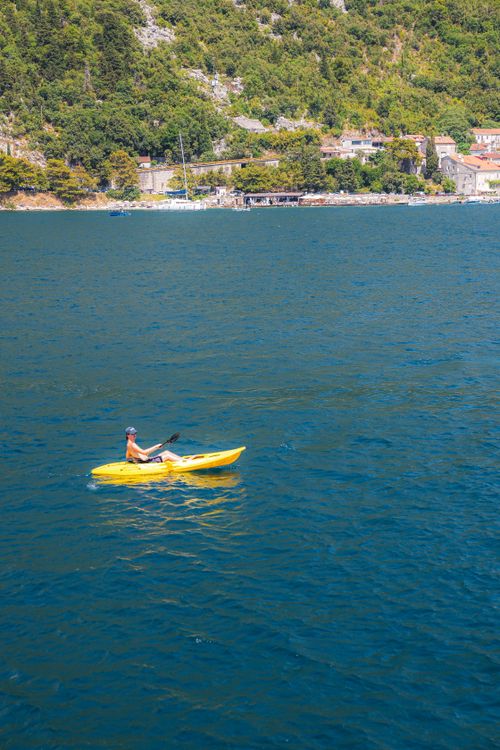
7. Kayak the Bay at Dawn (€25–35)
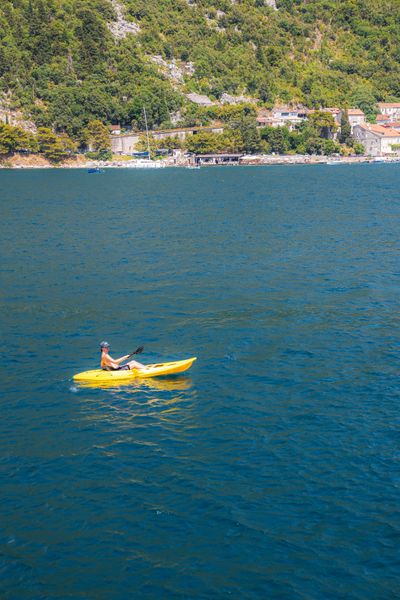
Several operators run sunrise kayaking tours that leave before 7am, when the bay is glass-flat and the mountains reflect in the water. Two to three hours on the water, back before the cruise groups arrive. Book a sunrise kayak tour on the Bay of Kotor — most include equipment and a guide.
Book the boat tour to Our Lady of the Rocks and Perast in advance during summer — it sells out.
Tours & Activities
Top Things to Do in Kotor


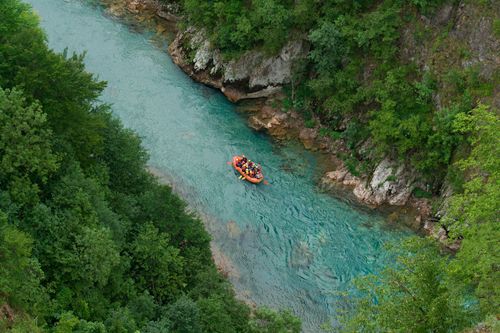
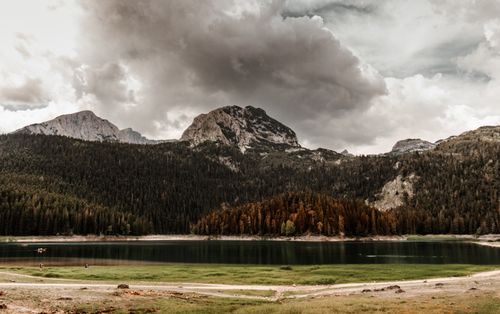

Affiliate links via GetYourGuide — we earn a small commission at no extra cost to you.
Book Online
All Activities in Kotor
Affiliate links via GetYourGuide — we earn a small commission at no extra cost to you.
Where to Eat in Kotor
Montenegro's food is heavy, honest, and cheap if you eat where locals eat. The Old Town has excellent food — but also the worst tourist-trap restaurants in the country. Knowing the difference saves €15 per meal.
What to Order
Burek — flaky pastry filled with meat or cheese. Breakfast food, €1.50–2 from any bakery. Do not skip this.
Crni rižot — black risotto made with cuttlefish ink. Rich and deeply savoury. Best seafood dish in the region.
Grilled fish (riba na žaru) — priced by weight (€15–25/kg). Ask the price before ordering if you're budget-conscious.
Lamb under the sač — slow-roasted under a metal dome covered with embers. Restaurant food, €12–15 a portion, needs advance ordering.
Njeguški sir i pršut — smoked cheese and prosciutto from the village of Njeguši. Order it as an appetiser everywhere.
Budget (€ — under €10/person)
Konoba Scala Santa is tucked in a side street behind the Cathedral of Saint Tryphon. Locals' lunch spot. Grilled meat, local cheese, house wine for €7 a glass. Full meal under €12. No English menu — point at what your neighbour is eating.
Forza on Stari Grad's back streets does burek and pastries from 7am. Buy breakfast here instead of any café on the main square (which charges €6 for a croissant).
Mid-range (€€ — €15–25/person)
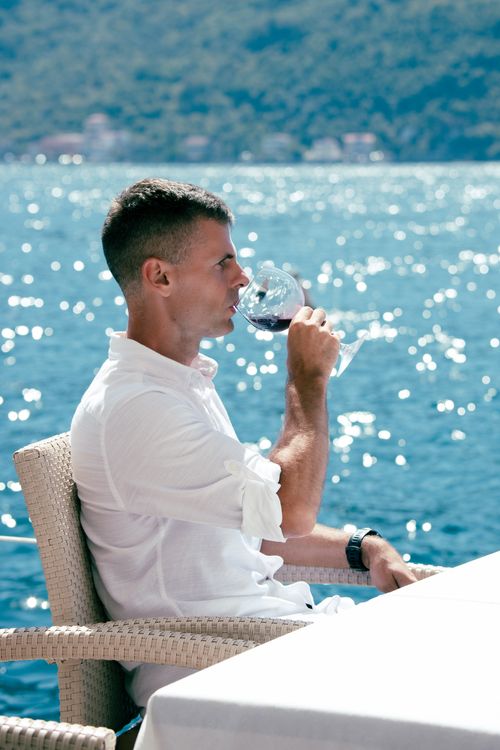
Galion sits just outside the Old Town walls with water views and a menu that leans into local seafood. Grilled branzino €16, black risotto €12, good house wine €18/bottle. Book ahead in summer.
Tanjga in Dobrota: the restaurant that Kotor locals actually eat at on weekends. 20-minute drive from Old Town but worth it — terrace on the water, fish caught that morning, prices roughly 30% lower than anything inside the walls.
Splurge (€€€ — €40+/person)
Forza Mare in Dobrota occupies a renovated stone palazzo on the waterfront. The best restaurant on the bay. Tasting menu from €65/person. Make a reservation; it books out weeks ahead in summer.
Tourist Traps to Avoid
Any restaurant facing the main square (Trg od Oružja) marks up prices 40–60% above comparable places one street away. The view costs you. The food is usually ordinary. The exception: a coffee or beer at dusk, when the atmosphere is worth the premium.
Want to eat at a local's table? EatWith connects you with Montenegrin home cooks and chefs for private dining experiences — market tours, home-cooked meals, cooking classes. Better than any restaurant on this list.
Where to Stay in Kotor
Budget — Old Town Hostel Kotor
The oldest and best-reviewed hostel inside the city walls. Dorm beds from €18/night; private double rooms from €48 in shoulder season. Air conditioning, good communal space, genuinely helpful staff. Book 2–3 months ahead for July and August.
Mid-range — Palazzo Drusko
A restored Venetian palace within the Old Town walls, 11 rooms, family-run. Doubles from €75/night in May, €110 in peak summer. Breakfast included. The location — a quiet courtyard two streets from the main gate — means you hear nothing at night.
Luxury — Cattaro Boutique Hotel
27 rooms in a 600-year-old building at the heart of the Old Town. Stone walls, beamed ceilings, a small pool on the roof terrace. Doubles from €160/night in shoulder season, €240 in July–August. Worth every cent if the budget allows.
Alternative: Regent Porto Montenegro (Tivat)
For five-star service, the Regent Porto Montenegro in Tivat (20km) is the best hotel in the country. Marina views, multiple pools, a full spa. From €250/night. More resort than city hotel — stay here if you want comfort over atmosphere.
Prefer a private apartment or villa? Browse vacation rentals in Kotor on Vrbo — ideal for families or longer stays.
Already have Hotels.com rewards points? Search hotels in Kotor on Hotels.com.
How to Get to Kotor
By Plane
Tivat Airport (TIV) is the closest — 20km from Kotor, €15–20 by taxi, 30 minutes. Montenegro Airlines, Ryanair (seasonal), and various charter operators fly here. Routes from London, Vienna, Prague, Warsaw, and most Western European hubs.
Dubrovnik Airport (DBV) in Croatia is 60km away and has significantly more flights. easyJet, Ryanair, British Airways, Lufthansa, and others serve it year-round. From Dubrovnik airport to Kotor by shared shuttle: €15–20, booked in advance through 12Go or similar. By taxi: €60–80.
From the UK, return flights to Tivat in shoulder season run €80–150. To Dubrovnik: €60–130. Search flights to Tivat (TIV) on Expedia — compares all airlines with flight+hotel packages available. Or compare flights on KAYAK.
By Bus
Kotor has a decent bus station just outside the Old Town walls. Direct services from:
- Podgorica (Montenegro's capital): €8, 1.5 hours, several daily
- Dubrovnik (Croatia): €12, 2 hours, 2–3 daily
- Sarajevo (Bosnia): €22, 5 hours, 1 daily
- Tivat: €2, 30 minutes, every 30–45 minutes
Search bus and ferry routes on 12Go — book cross-border routes in advance.
By Car
Driving from Dubrovnik is one of the most scenic coastal routes in Europe — the road hugs the Adriatic coast for much of the 60km. Allow 1.5 hours with stops. The border crossing at Debeli Brijeg is quick outside peak summer days.
How to Get Around Kotor
Inside Kotor: The Old Town is entirely pedestrian — no cars, no bikes. Everything within the walls is a 5–10 minute walk.
Around the bay: Local buses connect Kotor to Tivat, Budva, Perast, and Herceg Novi every 30–60 minutes. Fares: €1.50–5 depending on distance.
Water taxi: Boats cross from the Old Town harbour to Muo and other waterfront villages — €2 per crossing, runs frequently in summer.
Renting a car is the best way to explore the villages above the bay and reach Lovćen National Park. Day rates start at €30 for a small car. Book in advance for July–August. Compare car rental prices in Montenegro on Discover Cars.
Best Day Trips from Kotor
Budva (35km, 40 minutes by bus — €4)
Montenegro's main beach resort — livelier, more commercial, and more crowded than Kotor, but worth a half-day in shoulder season for the medieval old town and the long sandy beach at Jaz (3km outside town). Take the morning bus, swim, eat lunch on the waterfront, return by afternoon.
Lovćen National Park (60km, 1.5 hours)
The mountain directly above the bay — you can see it from every point in Kotor. The road up to the Njeguši village passes through hairpin bends with increasingly vertiginous views. At the top, the Njegoš Mausoleum (€3) sits at 1,657 metres with a view across Montenegro, Albania, and the Adriatic. A car is essential — or join a guided tour.
Herceg Novi (50km, 1 hour by bus — €5)
At the entrance to the bay, Herceg Novi is less visited than Kotor but has its own Venetian old town, a large waterfront promenade, and better beaches within walking distance. A full day trip. Bus from Kotor bus station. See the Herceg Novi travel guide for the Blue Cave, Old Town, and where to stay.
Dubrovnik, Croatia (60km, 2 hours — €12)
Technically a different country, but the bus crosses the border with minimal fuss. Worth a day trip if you haven't been — though if you're coming from Dubrovnik, obviously reverse the logic. Worth it even without a guide — the old town is straightforward to explore on foot.
Albanian Riviera (130km, 2.5 hours by car)
Cross into Albania and the coastline shifts completely — wilder, emptier, cheaper. Ksamil's turquoise lagoons and Sarandë's promenade are less than three hours south. A rental car makes it doable in a long day; the border crossing at Muriqan takes 15–30 minutes outside peak season. See the Albanian Riviera guide for beaches, food, and where to stay.
How Much Does Kotor Cost Per Day?
How much does Kotor actually cost? Here's an honest daily breakdown:
| Category | Budget (€) | Mid-range (€) | Comfort (€) |
|---|---|---|---|
| Accommodation | 18–22 (dorm) | 70–90 | 150–200 |
| Breakfast | 3–5 (bakery) | 8–12 (café) | 15–20 (hotel) |
| Lunch | 8–12 | 15–20 | 25–35 |
| Dinner | 10–15 | 20–30 | 45–65 |
| Activities | 5–10 | 15–25 | 30–50 |
| Transport | 3–5 | 8–15 | 20–30 |
| Total/day | €47–69 | €136–192 | €285–400 |
Sample 3-day trip on a mid-range budget:
- 3 nights at Palazzo Drusko: €225
- Meals (mix of konoba and one good restaurant): €120
- City walls, boat to Our Lady of the Rocks, kayak tour: €55
- Bus to Perast and back, local transport: €20
- Total: ~€420 for 3 days (€140/day)
Biggest savings tip: Avoid eating on the main square. One street back, prices drop 30–40% and the food is usually better.
Practical Tips for Visiting Kotor
Money: Montenegro uses the Euro. ATMs are plentiful in the Old Town; the ones operated by Erste Bank and Hipotekarna have better rates than the tourist-facing machines near the main gate. Wise or Revolut work perfectly here.
Tipping: Not mandatory but appreciated. 10% in restaurants is generous; rounding up for taxis and tour guides is standard.
Water: Tap water is safe to drink in Kotor. Skip the bottled water.
Cruise ship crowds: Kotor receives cruise ships from April to October, typically docking at 8–10am and leaving by 4–5pm. The Old Town gets congested mid-morning. Plan your wall climb and major sightseeing for early morning or late afternoon — or embrace the evening, when the city is genuinely beautiful and largely quiet.
Connectivity: Local SIM cards (m:tel, T-Mobile, Telenor) are available from €5 at the bus station. Data packages from €10–15/month. An Airalo eSIM is more convenient if you're only here for a few days — covers Montenegro and works from the moment you land.
Travel insurance: Montenegro requires proof of medical insurance at land borders.

World Nomads
Travel insurance for independent travelers from 100+ countries. Covers medical emergencies, trip cancellation, lost luggage, and adventure activities. Check the policy wording for full coverage details.
Get a Quote →We receive a fee when you get a quote from World Nomads using this link. We do not represent World Nomads. This is not a recommendation to buy travel insurance.
Safety: Kotor is extremely safe. The main risk for tourists is being overcharged at tourist-trap restaurants, not personal safety. Watch for pickpockets in the narrow alleys during peak season (standard for any popular European old town).
When Is the Best Time to Visit Kotor?
May–June (recommended): Warm but not hot (22–28°C), sea swimmable from late May, restaurants and boats in full operation, prices 30–40% below peak. The Bay is green and dramatic. This is the best combination of conditions and value.
July–August (peak season): Hot (35°C+), crowded, prices at maximum. Kotor receives some cruise ships daily. The atmosphere can still be great in the evenings — but book everything 3+ months ahead and expect to pay twice the shoulder-season price.
September–October: Arguably as good as May–June. The sea stays warm (it peaked in August), crowds have thinned, prices drop. October gets moody in a good way — misty mornings on the bay, fewer tourists, restaurants still open.
November–April (off season): Many restaurants and hotels close. The Old Town is hauntingly quiet — actually very appealing if you like having ancient places to yourself. Pack for rain. A handful of good accommodation options stay open year-round.
FAQ
Is Kotor worth visiting? Yes — it's one of the most visually striking medieval towns in Europe, and unlike Dubrovnik it's still genuinely affordable. The combination of UNESCO Old Town, dramatic mountain backdrop, and bay views is hard to match anywhere in the Mediterranean.
How many days do you need in Kotor? Two full days covers the highlights: city walls, Old Town exploration, a boat trip to Perast and Our Lady of the Rocks. Add a third day for a day trip to Budva or Lovćen. Five days gives you time to slow down and explore the villages above the bay.
Is Kotor more expensive than Dubrovnik? Significantly cheaper. A mid-range dinner in Kotor runs €15–25/person vs €30–45 in Dubrovnik. Accommodation is 30–50% cheaper. It's the same Venetian architecture, same Adriatic setting, meaningfully lower price tag.
When do cruise ships arrive in Kotor? Ships typically dock at 8–10am and depart by 4–5pm. To avoid the crowds, do your wall climb before 9am or after 5pm. Mornings before 8am are the quietest the Old Town gets in summer.
Is Kotor safe for solo travellers? Very safe, including solo female travellers. Standard urban precautions apply (watch your bag in crowded areas, don't leave valuables in a parked car). The Old Town effectively closes its gates at night, making it feel particularly secure.
Do you need a car in Kotor? Not for the Old Town itself — everything is walkable. A car becomes useful if you want to explore the villages above the bay, drive to Lovćen, or reach beaches outside Tivat. For a short city-focused trip, buses and water taxis cover the essential routes.
What language do people speak in Kotor? Montenegrin/Serbian. English is widely spoken in hotels, restaurants, and tourist areas. Basic Montenegrin phrases (hvala = thank you, dobar dan = good day) are appreciated but not necessary.
Conclusion
Kotor is one of those rare places that still rewards the effort of getting there. The walls, the bay, the food, the price — it adds up to an experience that costs half what you'd spend in Croatia and delivers something you won't find in any of the obvious Mediterranean destinations.
The best version of a trip here: arrive in May or September, stay inside the walls for the atmosphere and outside them for the value, eat at a konoba in Dobrota, climb the walls at sunrise, and take a slow afternoon boat across to Perast.
It won't stay undiscovered forever. It's already less undiscovered than it was five years ago. But right now, it's still exactly the kind of place this blog exists to tell you about.
World Nomads
Travel insurance for independent travelers from 100+ countries. Covers medical emergencies, trip cancellation, lost luggage, and adventure activities. Check the policy wording for full coverage details.
Get a Quote →We receive a fee when you get a quote from World Nomads using this link. We do not represent World Nomads. This is not a recommendation to buy travel insurance.
Skip Roaming Fees in Kotor
Airalo eSIMs work in 190+ countries. Buy before you fly, activate on arrival. No physical SIM needed. Just scan a QR code.
Get an eSIM →Affiliate link — we earn 10% commission at no extra cost to you.

