
Affiliate Disclosure: This post contains affiliate links. If you book through our links, we earn a small commission at no extra cost to you.
Budva is a small Adriatic city in southwestern Montenegro, built on a peninsula jutting into the sea, with one of the oldest continuously inhabited old towns on the coast. In 2026, dinner for two with wine at a konoba inside the walls costs €16 to €22. A room in May: €45 to €70. A sunbed at Mogren Beach: €3. In July, all three prices roughly double.
That gap between shoulder season and peak tells you most of what you need to know about how to visit Budva. Come in May or September, and it's one of the best-value cities on the Adriatic. Come in August, and it's a crowd-management exercise with a €130/night price tag.
This guide covers everything: the old town, the beaches, which neighborhood to stay in, how to get to Sveti Stefan without paying €700 a night, and a complete budget breakdown for three days.
The Story of Budva
Around 2,500 years ago, a Phoenician prince arrived on this coast after years of wandering. His name was Cadmus, and he had recently done two things that made him unpopular with the gods: killed the sacred dragon of Ares, and sown its teeth into the ground to raise an army. The army turned on itself. Cadmus founded Thebes. Then, exhausted and exiled, he sailed west with his wife Harmonia, daughter of Ares and Aphrodite.
They landed here. On this peninsula. And they built a city.
This is the founding myth of Budva, and it is considerably more dramatic than most European cities can manage. There is a statue of Cadmus and Harmonia in the old town today, standing together near the citadel. He holds a serpent, because legend says the gods eventually transformed them both into snakes, which is one way for a story to end.
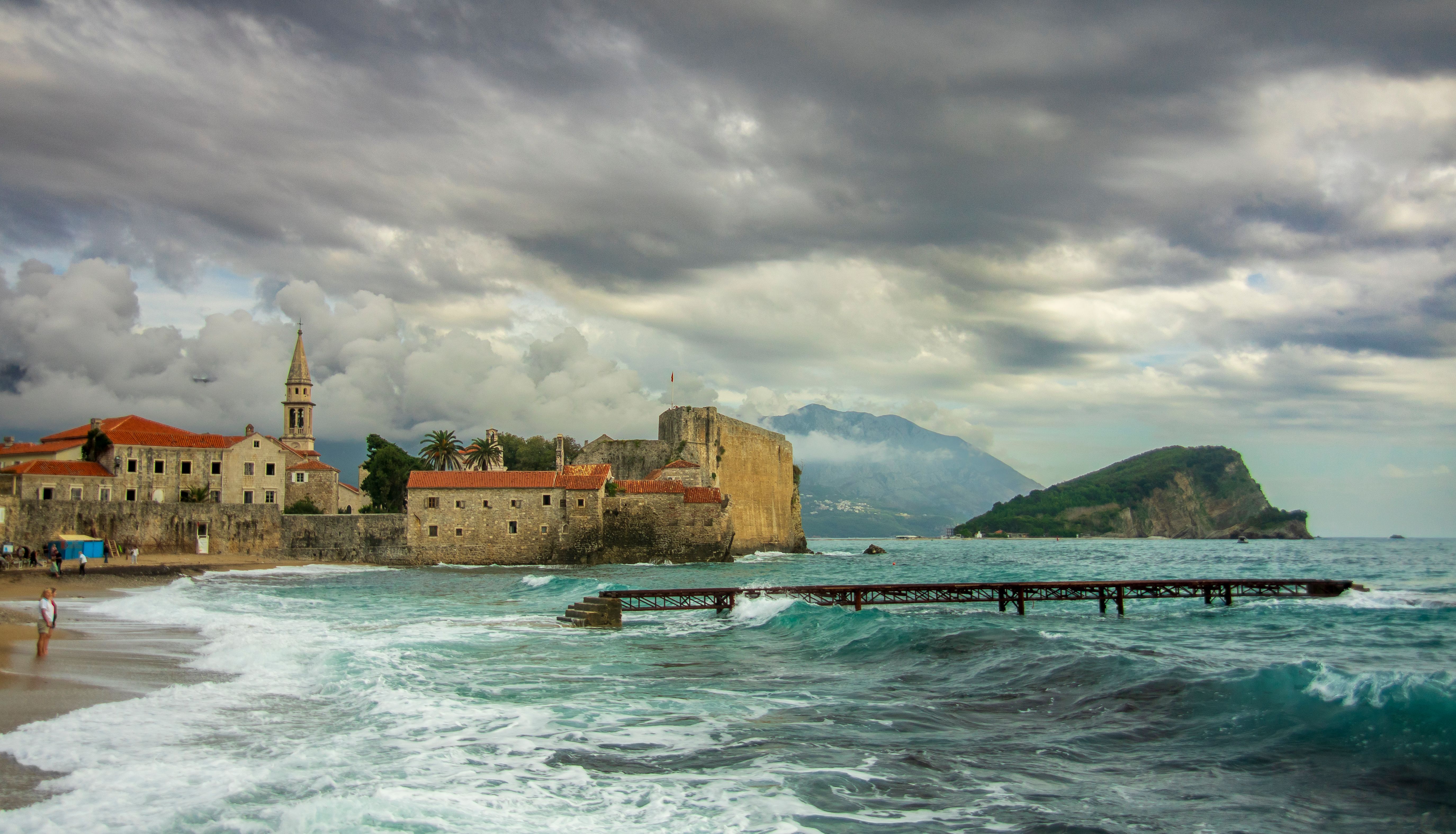
What is less mythological is the earthquake of April 15, 1979. Magnitude 6.9. It hit at 7:19 in the morning and lasted forty seconds, the same quake that damaged Kotor and leveled parts of the coast. In Budva, it destroyed approximately 80% of the old town. The walls survived. The churches survived, mostly. The interiors, the facades, the palaces: largely gone.
What you walk through today is a reconstruction, completed between 1979 and 1990. It was done well enough that most visitors don't notice. The proportions are right, the stone is the same limestone, the streets are the same widths they were before. But it is worth knowing that the "ancient" city you're admiring is, in large part, forty-five years old.
Quick Facts
| Daily budget | €40–50 (budget) · €80–100 (mid) · €150+ (comfort) |
| Best time | May–June, September |
| Avoid | July–August (crowded, 2× prices) |
| Currency | Euro (Montenegro uses EUR without being in the EU) |
| Language | Montenegrin / Serbian (Latin + Cyrillic) |
| Visa | Schengen holders enter visa-free. Most nationalities: 90 days |
| Nearest airports | Tivat (TIV) 25 km · Podgorica (TGD) 65 km |
| Getting there | Bus from Kotor: 45 min, €3–4 |
| Internet | Airalo eSIM works well throughout Montenegro |
Neighbourhoods — Where to Base Yourself
Old Town (Stari Grad) is the obvious choice for atmosphere. The pedestrianized peninsula, the Venetian-era walls, the citadel at the tip. It is genuinely beautiful at night after the day-trippers leave. Accommodation inside the walls costs more and requires you to carry luggage through narrow alleys. Worth it for one or two nights, expensive for a week.
Slovenska plaža area is the main tourist strip running south of the old town along the beach. Most mid-range hotels sit here. Convenient, not charming. Good if you're prioritizing beach access over atmosphere.
Bečići is a low-rise resort town 2km south with the longest continuous beach on this stretch of coast (around 2km). Family-friendly, slightly cheaper than central Budva, quieter at night. Best base if you have children or prefer the beach to the old town.
Rafailovići (3km south) and Miločer (7km south) are quieter alternatives with good beaches and easier parking.
Things to Do
The old town takes two hours to see properly. Start at the main gate on the northern side, walk the walls (€3 entry, open from 8am), and work your way south to the Citadela fortress (€2 entry), which has decent views of the coast and a small collection of old maps and nautical charts. The walls circuit takes about 45 minutes at a casual pace.
Mogren Beach is the best beach close to the old town. It's a 15-minute walk south along the cliffs, two small coves connected by a tunnel through the rock. No parasailing, no jet skis, no organized chaos. One beach bar, some sunbeds, very clear water. Goes quickly in summer — arrive before 10am.
Sveti Stefan is 5km south and worth seeing even if you can't stay. The island-hotel (Aman Sveti Stefan, rates start around €700/night) sits on a causeway connected to the coast. Non-guests cannot walk onto the island but the viewpoint from the coastal road above is genuinely dramatic, especially at golden hour. Buses run from central Budva for €1–2.
Jaz Beach is 4km north, a long gravel-and-sand beach with calm, shallow water. The Rolling Stones played here in 2007 to about 100,000 people. Today it hosts EXIT festival satellite events and Jaz Music Festival each summer. Off-season it's nearly empty. Bus from Budva: €1–2.
The nightlife is real and loud, especially in July and August. Top Hill is an open-air club above the city with a pool and a view. The old town itself has small bars with live music most evenings. If nightlife is not your priority, this matters less, but it does mean summer Budva is louder than you might expect.
Book the Budva Old Town walking tour if you want local context — the guide will tell you which buildings are original and which are 1980s reconstructions, which changes how you see the place. Book the sunset cruise on the Budva Riviera in advance during July–August — they fill up.
Tours & Activities
Top Things to Do in Budva

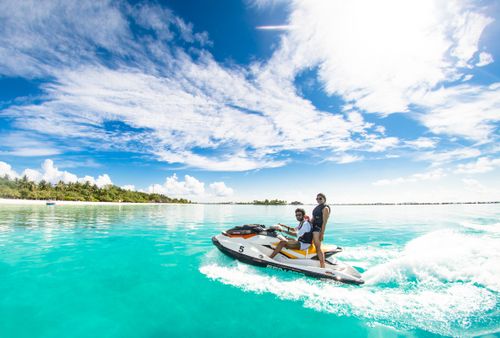
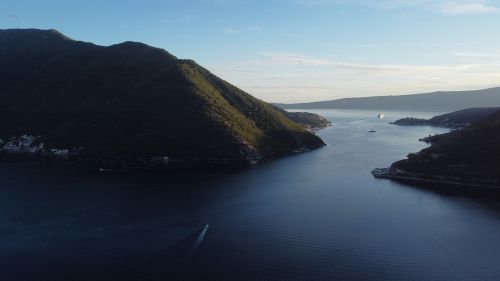
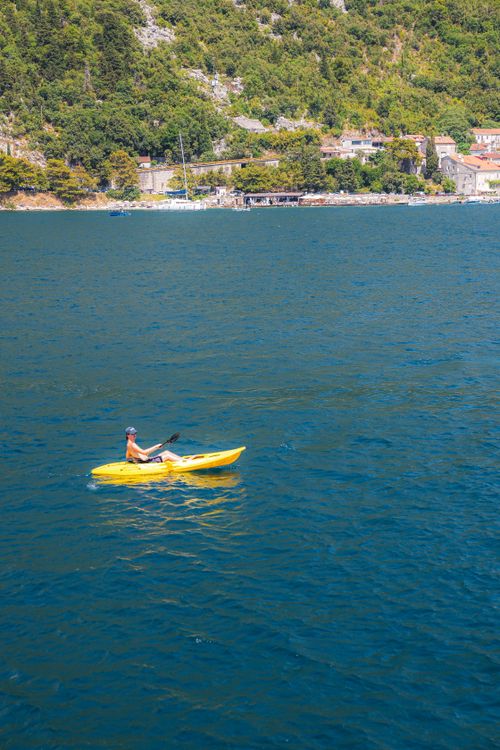
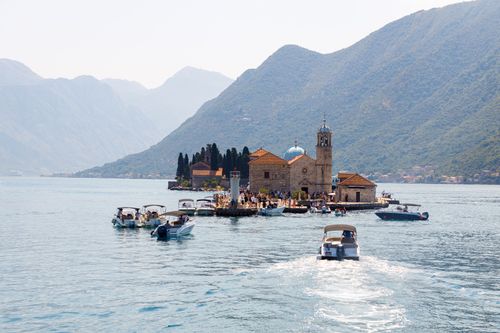

Affiliate links via GetYourGuide — we earn a small commission at no extra cost to you.
Book Online
All Activities in Budva
Affiliate links via GetYourGuide — we earn a small commission at no extra cost to you.
Where to Eat
Montenegrin food is worth understanding before you sit down anywhere. Grilled meat and freshwater fish dominate. Priganice are small fried dough balls served with honey or sour cream, €3–4, worth having once. Kačamak is polenta with cheese and cream that sounds heavy and is. Montenegrin cheese (sir) and prosciutto-style cured meat (njeguški pršut, from the village of Njeguš above Kotor) are excellent and available everywhere.
Konoba Stari Grad inside the walls: grilled sea bass €12–15, lamb €10–13, good house wine by the carafe. No photos on the menu, which in tourist areas is usually a reliable signal. Cash preferred.
Kod Krsta just outside the old town: the right place for čevapčići (€4–6), pljeskavica (€5–7), and a beer. Open from noon, gets busy at dinner. The kind of place where locals eat, which is the only recommendation that matters.
The tourist trap to avoid: any restaurant with a laminated photo menu and a host standing outside calling at you. The worst of these are concentrated near the main old town gate. The markup on these menus is 30–50% above comparable restaurants 100 metres away.
For coffee: Montenegrins take coffee seriously. An espresso is €1–1.50 anywhere in the old town. Sit down, slow down, that's the point.

Browse Budva Restaurants
Sorted by rating with real traveler reviews. Filter by price and cuisine type.
Book a Food Tour →
Where to Stay
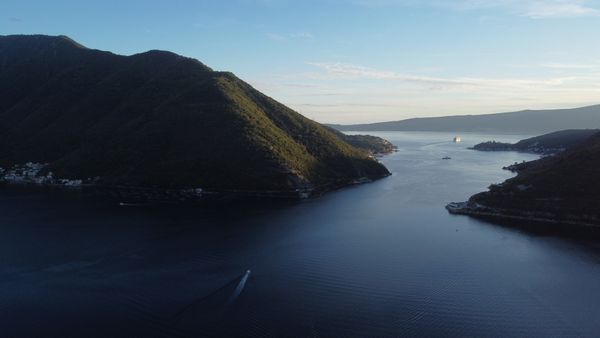
€30–65 per night
Private rooms and small guesthouses in the streets around the old town — not inside it. The best value in Budva is within 10 minutes' walk of the walls, not behind them. Filter for 8.5+ ratings with 30+ reviews.
Search Budget HotelsVia Stay22 · Booking.com
€80–140 per night
Hotel Astoria sits inside the old town walls with a rooftop terrace and citadel views — books out weeks ahead in July and August. Hotel Santé in the Slovenska plaža area offers strong breakfast and reliable wifi at €80–110. Book 3–4 weeks ahead for June.
Browse Boutique HotelsVia Stay22 · Booking.com
€150–250+ per night
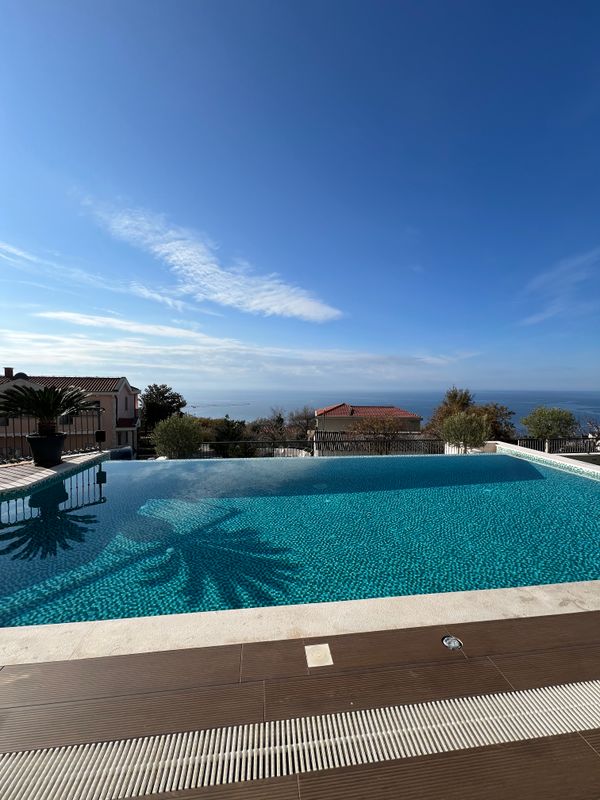
Hotel Splendid in Bečići is the best-positioned luxury property near Budva — private beach, indoor and outdoor pools, reliable sea-view rooms. For the full Aman Sveti Stefan experience, rates start at €700 in high season and require months of advance booking.
See Luxury PropertiesVia Stay22 · Booking.com
Vrbo
Full apartments in and around the old town. Better for families or stays longer than 3 nights.
Browse Rentals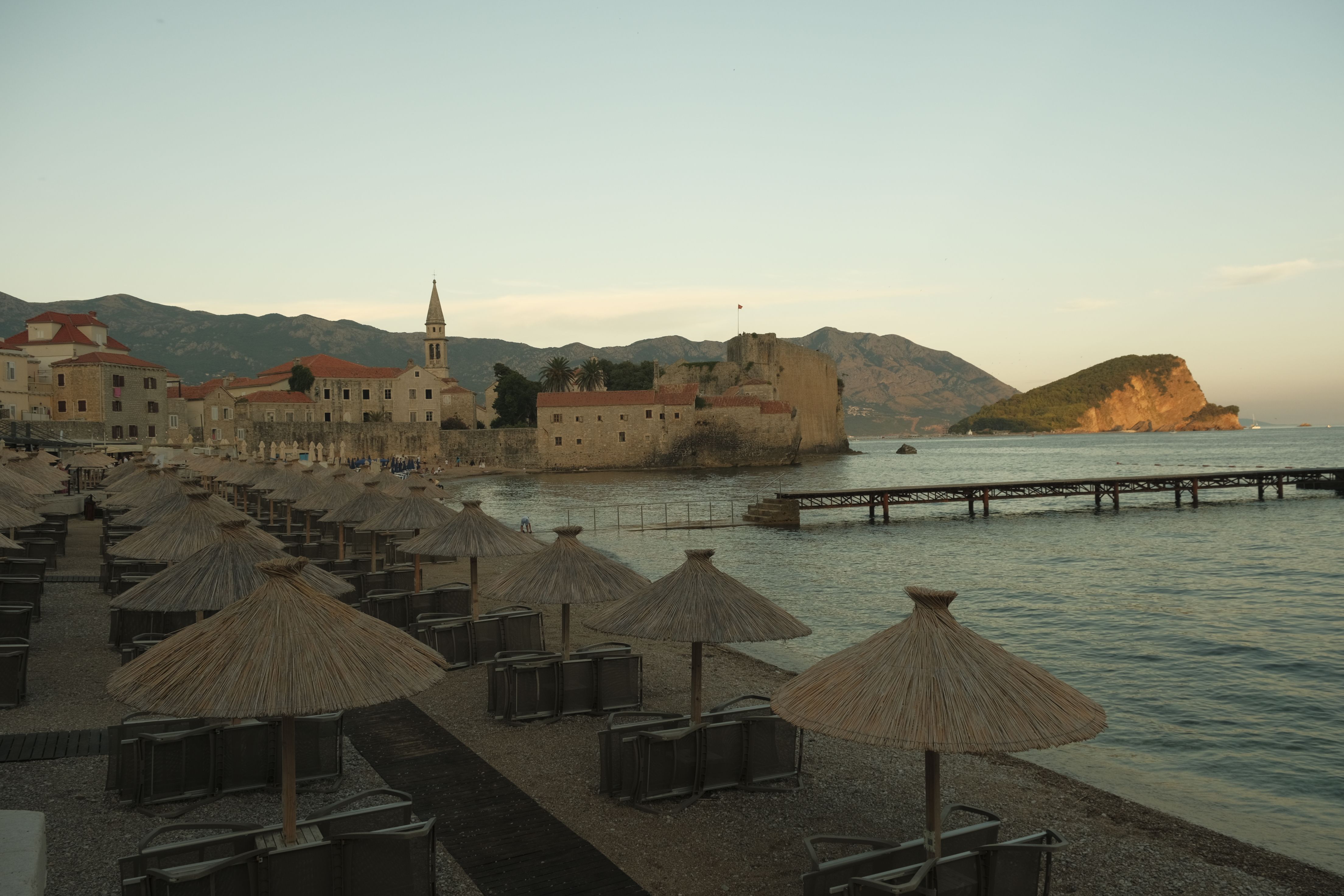
Hotels.com
Earn free nights with Hotels.com Rewards. Good selection across all price ranges in Budva.
Search HotelsStay like a local in Budva
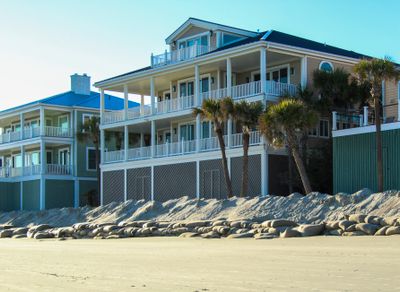
Full houses with kitchen and private outdoor space
Search →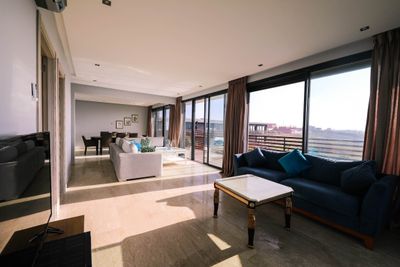
City apartments, often steps from the old town
Search →
Cozy retreats away from the tourist crowds
Search →
Charming properties with local character
Search →
Private villas, often with pool and sea view
Search →Via Expedia Group · We may earn a commission at no extra cost to you.
Getting There
By air: Tivat Airport (TIV) is 25km from Budva — about 25 minutes by taxi (€15–20) or 40 minutes by local bus (€2). This is the closest airport and where most direct flights arrive. Podgorica Airport (TGD) is 65km away (1 hour, €6–8 by bus), with more flight options but less convenient.
By bus from Kotor: 45 minutes, €3–4, buses run every 30–60 minutes. This is the most common arrival route for travelers already in Montenegro. Book the Kotor–Budva route on 12Go →
By bus from Dubrovnik: About 3 hours, €15–20. Several operators run this daily, including through the border crossing at Debeli Brijeg. Book ahead in summer. Check schedules on 12Go →
By bus from Podgorica: 1.5 hours, €6–8, frequent service. Podgorica to Budva on 12Go →
By bus from Tirana: 7–8 hours, €20–30. Long, but workable overnight. Multiple operators.
Getting Around
Budva's old town is entirely walkable. The beaches closest to the center (Slovenska plaža, Mogren) are a short walk. Everything else requires a bus or a car.
Local buses run along the coastal road to Bečići, Sveti Stefan, and Jaz Beach for €1–2 per trip. They run frequently in summer, less so outside July–August.
Taxis do not use meters reliably. Agree on a price before you get in. Central Budva to Sveti Stefan should be €8–10. Central Budva to Tivat Airport should be €15–20.
Rent a car if you want to explore the Budva Riviera properly, drive up to Njeguš (the village above Kotor Bay where the prosciutto comes from), or reach Cetinje. Search rental cars in Montenegro →
Coastal boat transfers between Budva, Sveti Stefan, and Kotor run in summer. Check Ferryscanner for coastal routes →
Day Trips
Kotor (45 min, €3–4 by bus) is the most obvious and most worthwhile day trip from Budva. The Bay of Kotor is one of the most photographed places in the Balkans — a fjord-like inlet surrounded by mountains, with a UNESCO-listed medieval town at its head. Go early, before the cruise ships dock. We have a full guide to Kotor.
Sveti Stefan (5 km, €1–2 by bus) can be done as a half-day from Budva. The viewpoint above the island is free. The beach next to the causeway is public. You don't need to stay at Aman to appreciate the place.
Cetinje (40 min, €4–6 by bus) is Montenegro's old royal capital and its most underrated town. No beach, no Adriatic view. Instead: a small museum in the former royal palace, a monastery that has stood since 1484, and almost no tourists. An interesting half-day if you've seen enough coastline.
Perast (1.5 hrs via Kotor, €5–8) is the most beautiful village on the Bay of Kotor, with two tiny islands visible from the waterfront. Best visited late afternoon when the tour groups are gone. We have a full guide to Perast.
Herceg Novi (1.5 hrs, €6–10 by bus) sits at the entrance to the bay. Quieter than Budva, older architecture, better value for accommodation. We have a full guide to Herceg Novi.
Budget Breakdown
| Budget | Mid-range | Comfort | |
|---|---|---|---|
| Accommodation | €35–50/night | €80–120/night | €150–250/night |
| Meals | €15–25/day | €30–45/day | €50–80/day |
| Transport | €5–8/day | €8–15/day | €20–30/day |
| Activities | €5–10/day | €20–35/day | €40–60/day |
| Total per day | €60–93 | €138–215 | €260–420 |
Sample 3-day budget trip (May/June): Flights from London to Tivat return (~€80 on Ryanair), budget guesthouse €45/night × 3 = €135, meals €20/day × 3 = €60, buses and activities €30 total. Total: approximately €305 per person, excluding drinks and shopping.
Peak season note (July–August): Add 40–80% to accommodation, 20% to restaurants, book everything 2–4 weeks in advance.
Practical Tips
Travel insurance: Montenegro is not in the EU, so your European Health Insurance Card (EHIC) does not apply here. Medical care in Budva is adequate for minor issues; anything serious means Podgorica or, worse, an evacuation. Get proper coverage before you arrive.

World Nomads
Get travel insurance for Montenegro from World Nomads
Get a Quote →We receive a fee when you get a quote from World Nomads using this link. We do not represent World Nomads. This is not a recommendation to buy travel insurance.
Insurance note: Travel insurance policies vary. Read the full policy wording at World Nomads before purchasing to confirm coverage for your trip and activities.
eSIM: Local SIM cards from Telenor and m:tel work across Montenegro. Getting one requires a passport and a local address, which is a hassle for short trips. An Airalo eSIM activated before you land is simpler and covers Montenegro for around €5–10/week. Get an Airalo eSIM →
ATMs: Plenty in central Budva. Raiffeisen and CKB are reliable, lower fees. Avoid exchange booths near the old town entrance — the rates are poor.
Safety: Very safe. The main issue in summer is petty theft near the beach — don't leave valuables unattended on Slovenska plaža or Jaz Beach.
Language: English is widely spoken in tourist areas. The local language is Montenegrin (effectively Serbian), written in both Latin and Cyrillic script. A few words of Serbian go a long way.
Tipping: Not mandatory but appreciated. Round up the bill or leave 10% at sit-down restaurants.
Money: Montenegro uses the Euro despite not being an EU member. No currency exchange required if you're coming from Europe.
What to Pack for Budva
Budva works best as a base for moving around — Old Town one day, Sveti Stefan the next, Kotor day trip after that. That means you're repacking often, and a carry-on bag with packing cubes saves serious time. The Old Town's narrow stone streets are rough on wheeled luggage. Beach days call for reef-safe sunscreen (the Adriatic water is clear enough that you'll notice chemical sunscreen in it) and a packable tote for snacks and towels. Ryanair and Wizz Air both fly into Tivat — check their cabin bag dimensions before you buy anything. See our Mediterranean packing guide for bag picks that fit Adriatic budget airline rules.
Best Time to Visit
Best overall: May and September. Warm enough to swim (sea temperature 22–24°C), manageable crowds, prices 30–40% lower than peak.
| Month | Temp | Sea | Crowds | Prices | Best for |
|---|---|---|---|---|---|
| April | 16–20°C | Cool | Very low | Low | Hiking, old town walks |
| May | 22–26°C | 20–22°C | Low | Low–Mid | Best all-round month |
| June | 27–30°C | 23–24°C | Moderate | Mid | Last good month before crowds |
| July | 32–35°C | 25–26°C | Very high | Peak | Beach lovers who book 8 weeks ahead |
| August | 31–34°C | 25–26°C | Extreme | Peak | Avoid unless you love chaos |
| September | 27–30°C | 24°C | Moderate | Mid | Best beach weather with fewer people |
| October | 20–24°C | 21–22°C | Low | Low | Off-season explorers |
Avoid July–August if: you hate queues, noise, and paying 80% more for the same room.
Go in May if: budget is the priority. Prices drop significantly, beaches are empty, old town is walkable without fighting the crowd.
FAQ
Is Budva worth visiting? Yes, particularly outside peak season. The old town is genuinely beautiful, the beaches are good, and the proximity to Kotor and the Bay makes it a natural base. In July and August it gets very crowded — still worth it, just plan accordingly.
How many days do I need in Budva? Two to three days covers the old town, Mogren Beach, and a day trip to Kotor. Add a day for Sveti Stefan and Cetinje if you have time.
Is Budva safe? Very safe for tourists. Standard precautions on the beach (don't leave valuables unattended). The old town at night is lively but not threatening.
What is the closest airport to Budva? Tivat Airport (TIV) is 25km away, about 25 minutes by taxi. Most budget airlines including Ryanair, EasyJet, and Wizz Air fly there from multiple European cities.
Can I visit Sveti Stefan without staying at Aman? Yes. The viewpoint above the island is free and accessible on foot or by car. The public beach next to the causeway is also open. You can't walk onto the island itself, but the view from outside is the same.
Is Montenegro in the Schengen Area? No. Montenegro is not in the EU or Schengen. However, most nationalities including UK, US, Australian, and Canadian passport holders can enter visa-free for up to 90 days. Schengen-visa holders are also generally admitted.
Is English spoken in Budva? Widely, especially in restaurants, hotels, and tourist areas. Most people under 40 speak functional English. Older residents may not.
Conclusion
Budva works best when you treat it as a base rather than a destination. Two nights here, one full day in Kotor, an afternoon at Sveti Stefan, and the old town covered in the evenings — that's a good three days in Montenegro.
Come in May or September. The prices are lower, the crowds are manageable, and the water is warm enough to swim. That's the version of Budva worth visiting.
World Nomads
Travel insurance for independent travelers from 100+ countries. Covers medical emergencies, trip cancellation, lost luggage, and adventure activities. Check the policy wording for full coverage details.
Get a Quote →We receive a fee when you get a quote from World Nomads using this link. We do not represent World Nomads. This is not a recommendation to buy travel insurance.
Skip Roaming Fees in Budva
Airalo eSIMs work in 190+ countries. Buy before you fly, activate on arrival. No physical SIM needed. Just scan a QR code.
Get an eSIM →Affiliate link — we earn 10% commission at no extra cost to you.

