Affiliate Disclosure: This post contains affiliate links. If you book through our links, we earn a small commission at no extra cost to you. This helps keep Hidden Med running — thank you.
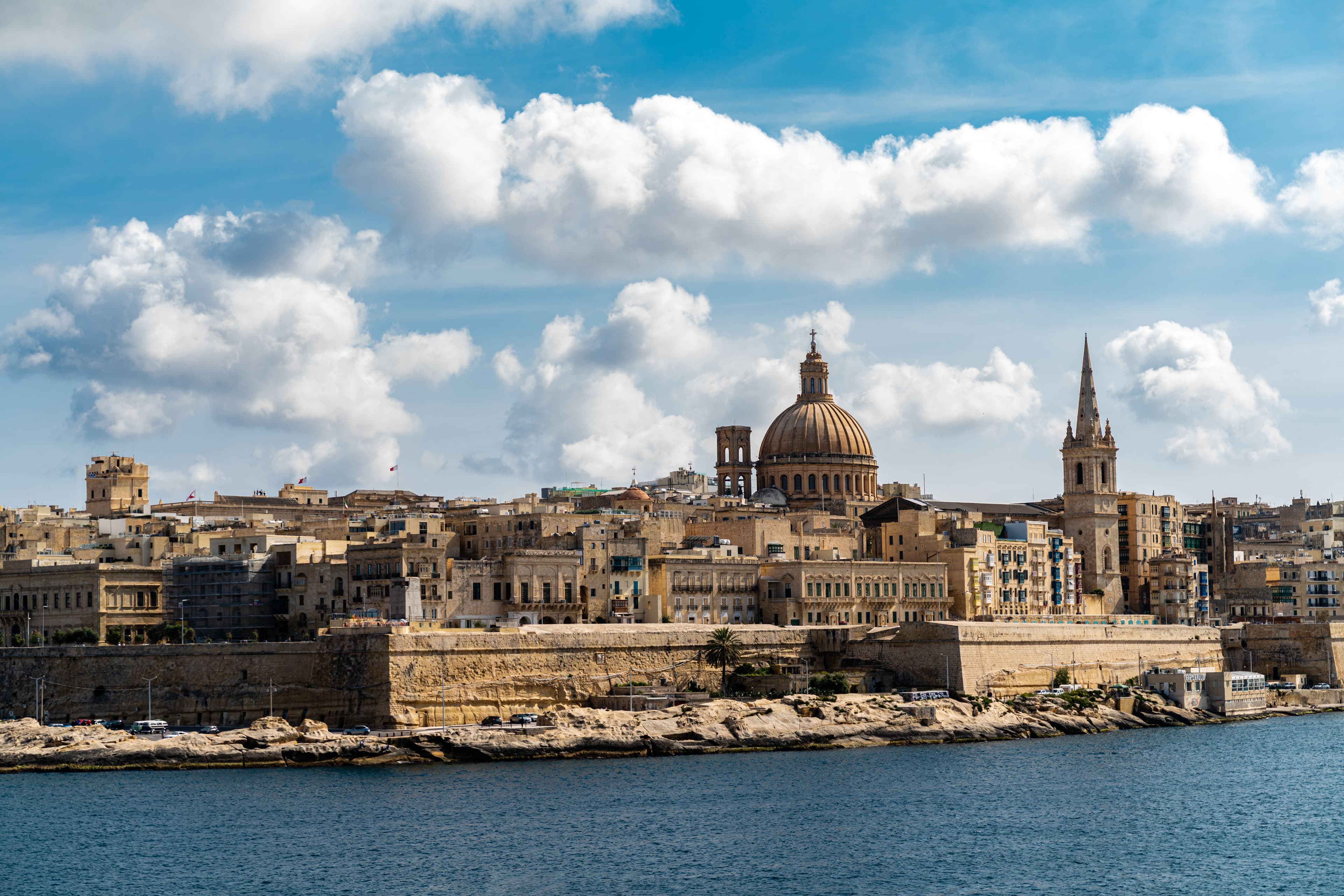
Valletta is the smallest capital city in the European Union — a UNESCO World Heritage Site built on a limestone peninsula overlooking the Grand Harbour in Malta. In 2026, a pastizz (the local pastry) costs €0.30, dinner for two with wine runs €35–50, and a boutique guesthouse inside the old walls starts from €70 a night.
You can walk from one end to the other in about 25 minutes. Most people come for a half day and leave thinking they've seen it. They haven't.
The city rewards the people who slow down. Who duck into the side streets instead of following the main drag. Who find the Upper Barrakka Gardens at exactly the moment the noon cannon fires. Who spend two hours inside St. John's Co-Cathedral when they thought they'd give it forty-five minutes.
The Story of Valletta: A City Built From a Battle
Most cities grow slowly — a village becomes a town becomes a capital over centuries. Valletta was different. It was designed, funded, and built in a single burst of post-traumatic energy.
After the Great Siege of 1565, the Knights of St. John understood one thing clearly: the existing fortifications at Birgu had nearly failed. They needed something impregnable. They needed it fast. And they needed the rest of Europe to pay for it.
Pope Pius IV sent money. European monarchs sent engineers. The commission went to Francesco Laparelli, a military architect who had worked for Michelangelo on St. Peter's Basilica. He arrived in Malta in 1566 and began drawing a city from scratch on a barren limestone peninsula.
The grid layout was deliberate — wide enough for troops to move through quickly, narrow enough to create shade in summer heat. The bastions were built from the same golden limestone that sits underneath the entire island. Laparelli's assistant, the Maltese architect Girolamo Cassar, designed most of the major buildings — the Grand Master's Palace, the co-cathedral, the auberges that housed the Knights from each European nation.
The city was named after Jean de la Valette, the Grand Master who commanded the defense during the siege. He died in 1568, before the city that bore his name was finished.
Valletta was officially declared a capital in 1571. It had taken five years to build a city. It took 450 years more for it to become a UNESCO World Heritage Site and, in 2018, the European Capital of Culture.
Quick Facts
| Location | Northern Malta, Grand Harbour peninsula |
| Size | 0.8 km² — smallest EU capital |
| UNESCO | World Heritage Site since 1980 |
| Best time to visit | Early morning or late afternoon (avoid midday heat May–Oct) |
| Getting there | Bus from airport (X2, €2) or taxi (€20–25) |
| Day trip possible? | Yes, but an overnight stay is better |
| Budget/day | €60–80 (budget) · €120–180 (mid) · €250+ (comfort) |
Things to Do in Valletta
St. John's Co-Cathedral
The single most important thing to see in Valletta. Possibly in all of Malta.
The exterior is deliberately plain — the Knights didn't want to advertise wealth to potential attackers. Inside is another world entirely. The floor is made entirely of marble tombstones for over 400 Knights. The ceiling is covered in paintings and gold leaf so dense it takes a few minutes for your eyes to adjust. Each side chapel was assigned to a different langue (national group of Knights) who competed with each other for the most elaborate decoration.
The Oratory holds Caravaggio's The Beheading of Saint John the Baptist — the largest painting he ever made, and the only one he ever signed. He signed it with the blood of the victim. You'll see it in the bottom left corner: f. Michel Angelo (the f stands for fra, meaning brother — he'd just been made a Knight).
Caravaggio was in Malta after fleeing a murder charge in Rome. He painted two works here, was made a Knight, then was expelled from the Order after a brawl and fled again. The painting stayed.
Entry: €15 adults, €7.50 students. Includes audio guide. Closed Sundays before 1pm. Tip: Go at opening time (9am) or after 3pm to avoid tour groups.
Book a guided Valletta walking tour — a good guide turns the cathedral from interesting to extraordinary.
Upper Barrakka Gardens
A terrace garden built by the Knights, now a public park on the southern bastion. The view from here — over the Grand Harbour, with the Three Cities across the water — is the defining image of Malta.
Noon cannon fires daily at 12pm (and again at 4pm). It's louder than you expect. Worth timing your visit around it.
Entry: Free. Open daily 7am–10pm.
The Grand Master's Palace
The seat of power for the Knights of St. John for over 250 years, now the office of the President of Malta. The Armoury holds one of the best collections of medieval and Renaissance arms in Europe — most still in remarkably good condition.
Entry: €10 for Armoury, €6 for State Rooms (when open, check schedule).
Lascaris War Rooms
Underground tunnels carved into the bastion rock, used by the British as a command centre during WWII. Eisenhower and Montgomery were both here. The rooms have been preserved almost exactly as they were.
Entry: €10. Book in advance — timed entry, can sell out.
Walking the Bastions
You can walk along the bastions on both the Grand Harbour and Marsamxett Harbour sides — it takes about 45 minutes for the full loop and the views are consistently good. Do this in the late afternoon when the light is warm.
Hidden Gems
Casa Rocca Piccola — a 16th-century palace still owned and lived in by the same noble family. Guided tours of a house that is still someone's home. Entry €10.
Strait Street — the old red-light district from the British naval era, now slowly gentrifying into bars and studios. More interesting at night.
Tours & Activities
Top Things to Do in Valletta

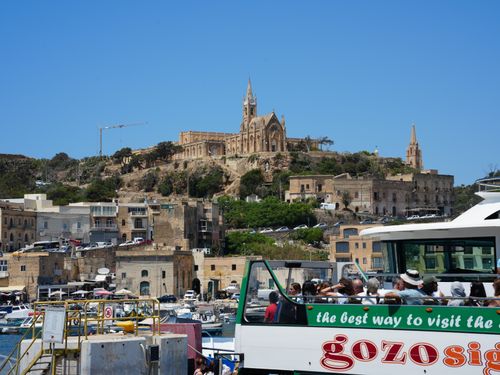

Affiliate links via GetYourGuide — we earn a small commission at no extra cost to you.
Book Online
All Activities in Valletta
Affiliate links via GetYourGuide — we earn a small commission at no extra cost to you.
Where to Eat
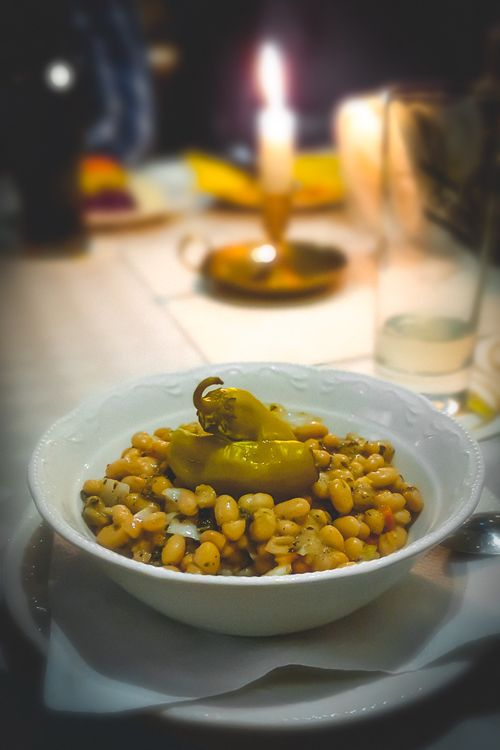
Pastizzi first. Before anything else: find the nearest pastizzerija and order two — ricotta and mushy peas. €0.30–0.50 each. Non-negotiable.
Crystal Palace Bar (Republic Street) is the most famous pastizzi spot in Valletta. Queue out the door on weekend mornings.
Café Jubilee — small, busy, good Maltese food at honest prices. Lunch mains €9–14.
Nenu the Artisan Baker — Maltese ftira sandwiches, traditional breads. Good for a casual lunch. Mains €8–13.
Rubino — one of the better traditional Maltese restaurants. The rabbit (fenek) is good here. Dinner mains €16–24. Book ahead.
The Harbour Club — for a splurge with a view. Terrace overlooking the Grand Harbour. Dinner for two with wine: €80–110. The view earns it.
Price reality: Lunch €10–15/person. Dinner €20–40/person with wine at a decent restaurant. The places immediately around the City Gate and cathedral charge 30–40% more for the same quality. Walk two streets further.

Browse Valletta Restaurants
Sorted by rating with recent reviews from real travelers.
Open TripAdvisor →
Where to Stay
Staying inside Valletta's old walls means everything is walkable. The trade-off: streets are steep, luggage is heavy, and some guesthouses have no elevator.

€50–80 per night
Small guesthouses inside the old city walls, most with breakfast included. Look for 8.0+ ratings and 30+ reviews. Steep streets add character — note that few have lifts if you have heavy luggage.
Search Budget HotelsVia Stay22 · Booking.com

€90–160 per night
Boutique hotels in converted townhouses with original stone walls and wooden beam ceilings. Several have rooftop terraces with Grand Harbour views. Breakfast usually included. Book 2–3 months ahead for summer.
Browse Boutique HotelsVia Stay22 · Booking.com

€200+ per night
The Iniala Harbour House and Rosselli are the two standout properties inside Valletta. Both are converted palaces — original stone, design interiors, serious restaurants. They sell out. Book well in advance.
See Luxury PropertiesVia Stay22 · Booking.com

Vrbo
Full apartments inside the old city walls. Better for families or longer stays.
Browse Rentals
Hotels.com
Earn free nights with Hotels.com Rewards. Good selection of boutique properties.
Search Hotels
TripAdvisor
Read verified traveller reviews before booking. Useful for comparing guesthouses.
Read ReviewsGetting There
From Malta International Airport
The airport is 10km south of Valletta.
Bus X2: Runs directly to Valletta bus terminal (Triton Fountain). Every 10–15 minutes. Journey: 30–40 minutes. Cost: €2 single.
Taxi: Fixed rate from the airport taxi desk. €20–25 to Valletta. Takes 15–20 minutes.
From Birgu (Three Cities)
The quickest way is by ferry — Valletta Waterfront to Birgu Waterfront, 5 minutes, €2.80 return. Far more pleasant than the bus. Check ferry schedules on Ferryscanner.
For buses and ground transport connections: 12Go covers routes across Malta.
Getting Around
Valletta is walkable. The main grid is pedestrianised. Everything worth seeing is within a 20-minute walk.
For getting out of Valletta to other parts of the island, rent a car through Discover Cars — useful for a day trip to the south coast or Gozo ferry. Also compare rates on GetRentACar for the best deal.
Day Trips from Valletta
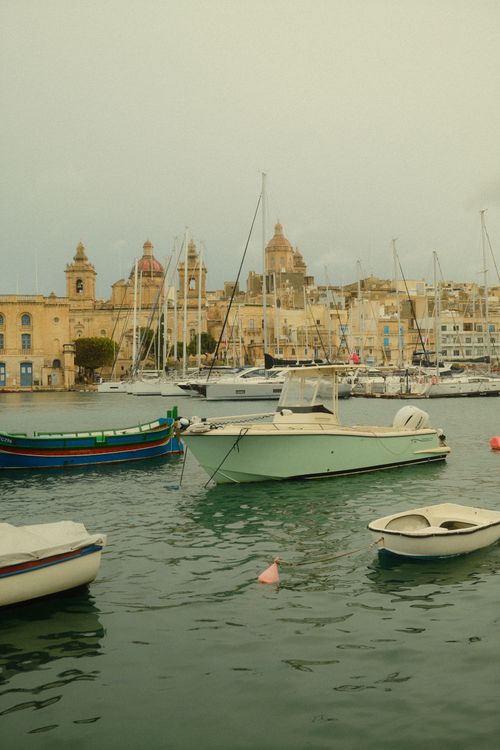
Birgu (Vittoriosa): 5 minutes by ferry. Half a day is enough; a full day is better. See the Birgu guide.
Mdina: 40 minutes by bus (No. 51 or 52). Can be combined with Rabat and St. Paul's Catacombs. See the Mdina guide.
Marsaxlokk: 45 minutes by bus (No. 81). Best on Sunday mornings. See the Marsaxlokk guide.
Gozo: Take a bus to Ċirkewwa, then ferry to Gozo. Book the Gozo ferry on 12Go. Total journey around 90 minutes each way.
Budget Breakdown
| Budget | Mid-range | Comfort | |
|---|---|---|---|
| Accommodation/night | €50–80 | €90–150 | €200–400 |
| Food/day | €20–30 | €45–65 | €90–130 |
| Transport/day | €5–10 | €10–20 | €20–40 |
| Activities/day | €15–25 | €30–50 | €60–100 |
| Total/day | €90–145 | €175–285 | €370–670 |
Sample: 2 days in Valletta for €220 (budget)
- Day 1: St. John's Cathedral (€15) + Grand Master's Palace Armoury (€10) + Upper Barrakka Gardens (free) + dinner at Café Jubilee (€25)
- Day 2: National Museum of Archaeology (€5) + walk the bastions (free) + ferry to Birgu for the afternoon (€2.80 return) + pastizzi all day (€3 total)
Practical Tips
Travel Insurance
Malta is EU — EHIC/GHIC covers EU citizens for emergencies. For everyone else, and for trip cancellation, delays, and anything beyond emergency care, proper insurance is worth it.

World Nomads
Get a travel insurance quote from World Nomads
Get a Quote →We receive a fee when you get a quote from World Nomads using this link. We do not represent World Nomads. This is not a recommendation to buy travel insurance.
Insurance note: Travel insurance policies vary. Read the full policy wording at World Nomads before purchasing to confirm coverage for your trip and activities.
eSIM
4G coverage is strong across Valletta and most of Malta.
Get a Malta/EU eSIM from Airalo — activate before you fly, works the moment you land.
Money
Euro everywhere. Several ATMs on Republic Street and near the City Gate. Avoid exchange bureaus.
When to Visit Valletta Specifically
Early morning (before 9am) — almost empty streets, best light for photos. Late afternoon (after 4pm) — tour groups have left, golden light on the limestone. Midday in summer — oppressive heat, maximum crowds. Plan indoor visits for this slot.
Dress Code
St. John's Cathedral requires covered shoulders and knees. Scarves available at the entrance if you forget.
What to Pack for Valletta
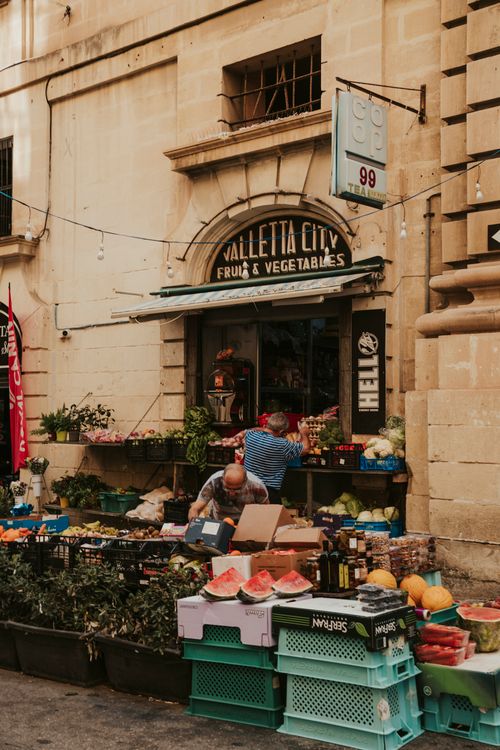
Valletta is a walking city — and every street is limestone cobblestone. A wheeled suitcase will rattle you into madness within ten minutes. A carry-on backpack or soft-sided bag is the right call. The old town is compact, but you'll cover 10–15km a day without noticing. Broken-in shoes are non-negotiable. For crowded spots like the Valletta market and the Marsaxlokk Sunday fish market, an anti-theft crossbody bag beats a regular backpack. See our Mediterranean packing guide for specific bag and packing cube picks tested for exactly this kind of city hopping.
Best Time to Visit Valletta
Best overall: May and September — good weather, manageable crowds, mid-range prices.
| Month | Temp | Crowds | Prices | Best for |
|---|---|---|---|---|
| January–February | 12–16°C | Very low | Low | Cheapest rates, Carnival in February |
| March–April | 16–20°C | Low | Low–Mid | Good walking weather |
| May | 22–26°C | Low–Medium | Mid | Best all-round month |
| June | 28–30°C | Medium | Mid | Long days, warm evenings |
| July–August | 33–35°C | High | Peak | Book everything weeks ahead |
| September | 28–30°C | Medium | Mid | Second sweet spot |
| October | 20–24°C | Low | Low–Mid | Notte Bianca free museum night |
| November–December | 16–20°C | Low | Low | Quieter, some rain, Christmas atmosphere |
Avoid July–August if: you hate queues or paying double for everything.
Go in January–February if: budget is the priority — cheapest rates and the city is yours.
Village Festas and Fireworks
Every Maltese village has its own patron saint, and the festa — the annual street celebration in their honour — is one of the best things you can stumble into here. Most run from late June through September.
What you'll see: Brass bands marching through the village core with banners and chanting. Streets draped in coloured lights and parish emblems. Food stalls around the main square. Fireworks in three acts — daytime ground fireworks (loud, smoky, spectacular), evening aerial display, and sometimes a very late finale that genuinely rattles windows.
Simple plan:
- Arrive before sunset to find the square and main church façade
- Eat early nearby, then find a spot with clear sky above the rooftops
- After fireworks, walk away from the core before calling a taxi — traffic locks up fast
Best bases for festa-hopping:
- Valletta — central, quick access to towns across the island
- Sliema / St Julian's — good dining, easy taxi distance to most festas
- Mellieha — useful if you're mixing north-coast beaches with festa evenings
- Victoria (Rabat), Gozo — best base for Gozitan festas
FAQ
How long do you need in Valletta? One full day covers the main sites. Two days lets you slow down, eat well, and explore the side streets properly. If combining with the rest of Malta, allocate at least one overnight.
Is Valletta good for families? Yes. Safe, compact, easy to navigate. Kids tend to find the cathedral overwhelming in a good way and the cannon at noon genuinely exciting. The harbour boat trips are a hit.
Is Valletta expensive? For a European capital: mid-range. More expensive than Skopje or Tirana, cheaper than Rome or Lisbon. The city has a tourist markup around the main sites — walk two streets away for better prices.
Can you visit Valletta as a day trip from Sicily? Technically yes — the Virtu Ferries from Pozzallo or Catania take 90 minutes. You'd have about 5–6 hours in Valletta. Search Malta ferry tickets on Ferryscanner.
Where should I stay — Valletta or Sliema? Valletta if you want atmosphere and walkability. Sliema if you want more hotel options, beach access, and lower prices.
Conclusion
Valletta doesn't announce itself. The approach through the City Gate is modest — you step into what looks like a normal pedestrian street, and then it keeps opening up. The harbour view from Upper Barrakka. The cathedral interior. The bastions at dusk. The city earns its UNESCO status quietly.
Come for a day if that's all you have. Stay two nights if you can. Walk the side streets in the early morning when you have them to yourself.
Ready to book Valletta?
- Search hotels in Valletta on Booking.com
- Valletta vacation rentals on Vrbo
- Hotels.com Valletta
- Book Valletta tours on GetYourGuide
Part of the Hidden Med Malta series: Malta Island Guide · Birgu Guide · Marsaxlokk Guide · Mdina & Rabat Guide

Hotels in Malta
Compare hotels, apartments and guesthouses in Malta. Real guest reviews, free cancellation on most bookings.
Search Hotels in Malta →Affiliate link — we earn a commission at no extra cost to you.
World Nomads
Travel insurance for independent travelers from 100+ countries. Covers medical emergencies, trip cancellation, lost luggage, and adventure activities. Check the policy wording for full coverage details.
Get a Quote →We receive a fee when you get a quote from World Nomads using this link. We do not represent World Nomads. This is not a recommendation to buy travel insurance.
Skip Roaming Fees in Malta
Airalo eSIMs work in 190+ countries. Buy before you fly, activate on arrival. No physical SIM needed. Just scan a QR code.
Get an eSIM →Affiliate link — we earn 10% commission at no extra cost to you.

