
Affiliate Disclosure: This post contains affiliate links. If you book through our links, we earn a small commission at no extra cost to you. This helps keep Hidden Med running — thank you.
Malta is a Mediterranean island nation south of Sicily, with more UNESCO-listed sites per square kilometre than almost anywhere on Earth and a recorded history that runs 7,000 years deep. In 2026, a good dinner for two with wine costs around €35. A room inside Valletta's old city starts from €65 a night.
The entire island fits inside a mid-sized American city. Yet it holds a coastline that manages to feel both rugged and impossibly blue at the same time, and a capital purpose-built after one of history's most improbable military victories.
There are four places on this island you genuinely cannot skip: Valletta, Birgu, Marsaxlokk, and Mdina. This guide covers all of them, plus everything practical you need to plan your trip.
The Story of Malta: The Siege That Shouldn't Have Been Won
In the summer of 1565, roughly 700 Knights of St. John and around 8,000 Maltese soldiers faced somewhere between 30,000 and 40,000 Ottoman troops. The numbers were so lopsided that the Ottoman commanders had already written letters home explaining when they expected to arrive in Rome.
They never got there.
The Great Siege of Malta lasted 112 days. The Knights — a military order that had already been expelled from Rhodes — had nowhere left to go. They held Fort St. Elmo until nearly every man inside was dead. They held Fort St. Angelo. They held the line at Birgu while the Ottoman fleet shelled the harbors daily.
When Spanish relief forces finally arrived in September, the Ottomans retreated. The siege was over. Europe, genuinely shocked, sent money, architects, and stone masons. Within a year, Valletta was being built — a planned capital city, on a barren peninsula, designed specifically to never fall again.
Walk through Valletta today and you're walking through the answer to that siege. The grid streets, the bastions, the Grand Harbour views — all of it was deliberate. All of it was built by people who knew how close they'd come to losing everything.
That's the story underneath the limestone.
Quick Facts
| Capital | Valletta |
| Language | Maltese + English (both official) |
| Currency | Euro (€) |
| Visa | Schengen (EU passport free; US, UK, AU visa-free up to 90 days) |
| Best time to visit | April–June or September–October |
| Avoid | July–August (intense heat, peak crowds, peak prices) |
| Main airport | Malta International Airport (MLA), 10 km from Valletta |
| Daily budget | €50–70 (budget) · €100–150 (mid) · €200+ (comfort) |
| Getting around | Bus network covers the island; car rental recommended for south/Gozo |
Where to Stay: Choosing Your Base
Malta is small enough that location matters less than on bigger islands — but it still changes the feel of your trip considerably.
Valletta is the obvious first choice. Baroque streets, Grand Harbour views, everything walkable. It's the most atmospheric base and the priciest. Best for first-timers who want the full experience without a car.
The Three Cities (Birgu, Senglea, Cospicua) sit across the harbor from Valletta, connected by a 5-minute ferry for €2.80 return. Prices run €20–30 cheaper per night than Valletta for comparable quality. Almost no other tourists base themselves here. This is the best-value base on the island.
Sliema / St. Julian's is the main hotel strip — more options, more nightlife, beach access. Less character. Good if you want a conventional beach-hotel holiday rather than a history-first trip.
Mdina area — a couple of boutique properties exist near the Silent City. Genuinely peaceful, but you'll need a car for everything.
Things to Do in Malta
The Grand Harbour
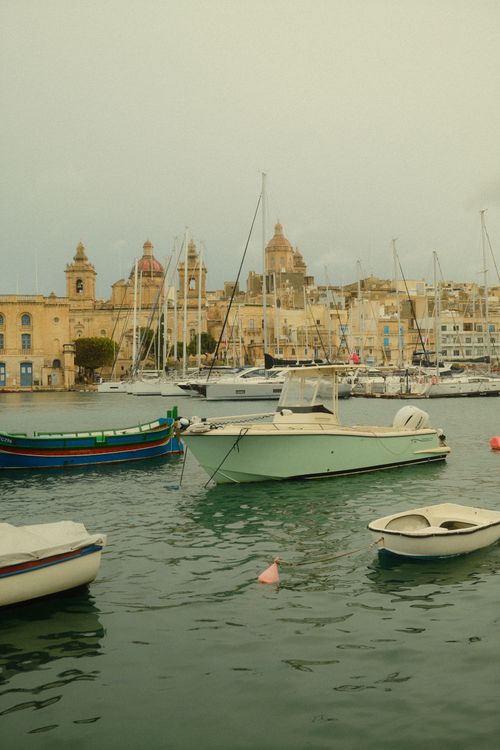
You can take a boat tour of the Grand Harbour for around €15–20. It's one of the better uses of money on the island. The scale of the fortifications only makes sense from the water. Fort St. Elmo, Fort Ricasoli, the Three Cities across the harbour — from a boat, you understand why the Ottomans couldn't take this place even with ten times the manpower.
Book a Grand Harbour boat tour on GetYourGuide before your trip — the good operators fill up in summer.
The Blue Grotto
Southern Malta, 30 minutes from Valletta. Sea caves with water that turns electric blue when the light hits right. Morning visits are better — the afternoon light isn't as dramatic, and the boats are more crowded. €10–12 per person for the boat trip.
Book the Blue Grotto boat trip — mornings between 9–11am are the sweet spot.
St. John's Co-Cathedral, Valletta
One of the most impressive Baroque interiors in Europe, and most people walk past it because the outside looks like an unfinished building. Inside: every inch of the floor is a tombstone, the ceiling is covered in gold leaf, and Caravaggio's The Beheading of Saint John the Baptist hangs in the oratory. It's the only work he ever signed — with the victim's blood, appropriately.
Entry: €15 adults. Get there when it opens to avoid the tour groups.
Ħaġar Qim & Mnajdra Temples
Older than Stonehenge. Older than the Pyramids. These megalithic temples on the southern cliffs date to around 3600–2500 BC, and nobody is entirely sure how they were built. The site is small, often quiet midweek, and genuinely strange in the best way. Entry: €10.
Birgu (Vittoriosa)
The quiet one. Older than Valletta, smaller than most people expect, and almost entirely overlooked by tour groups. The Knights lived here before Valletta existed. Full Birgu guide here.
Marsaxlokk
A working fishing village on the south coast. Come on Sunday morning for the fish market — locals actually shop there, not just tourists. Read the Marsaxlokk guide before you go.
Hidden Gems
Marsaskala — a local beach town in the southeast that most tourists never reach. Good seafood, calm water, very few souvenir shops.
The Victoria Lines — a 12km fortification wall built by the British across the island's natural fault line. You can walk sections of it. Almost nobody does.
Dingli Cliffs — the highest point in Malta (253m). Quiet, windswept, and better than any postcard photo of the island.
Tours & Activities
Top Things to Do in Malta




Affiliate links via GetYourGuide — we earn a small commission at no extra cost to you.
Book Online
All Activities in Malta
Affiliate links via GetYourGuide — we earn a small commission at no extra cost to you.
Where to Eat
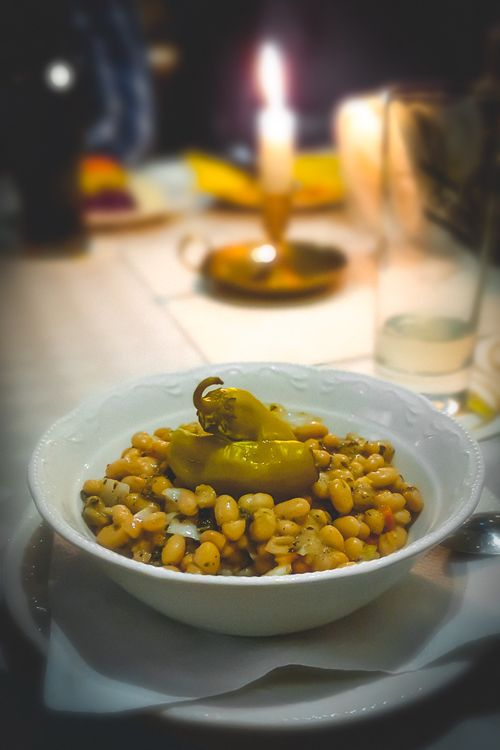
Maltese food is worth seeking out. It's Mediterranean with North African and British edges, which sounds odd and works surprisingly well.
Must try:

Pastizzi — flaky ricotta or mushy pea pastry. €0.30–0.50 each. Breakfast for €1.

Fenek (rabbit) — the national dish, braised in wine and herbs. Order it at least once.

Ftira — Maltese flatbread filled with tuna, capers, tomatoes.

Kinnie — local bitter orange soft drink. Odd at first. You'll probably order a second one.
Best areas to eat:
- Valletta — St. Paul's Street has a good mix of local and tourist restaurants
- Marsaxlokk — Sunday market, fresh fish, eat it there
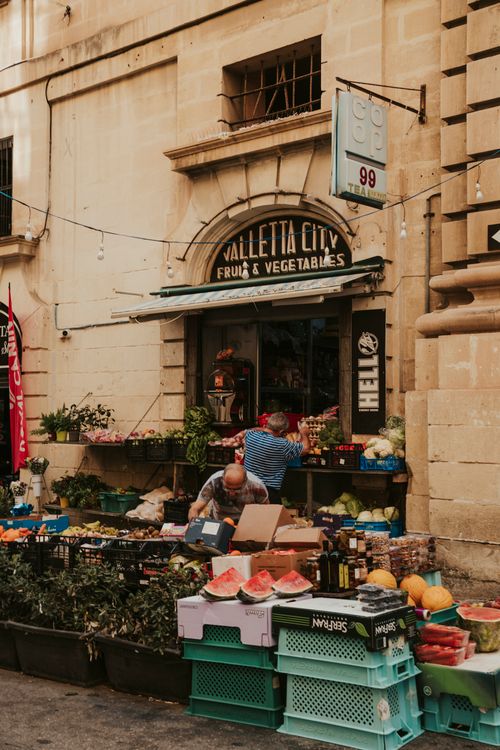
- Rabat — local restaurants around the main square, no tourist markup
Price reality check:
- Pastizzi: €0.30–0.50
- Lunch at a local café: €8–12
- Dinner for two with wine: €35–55 at mid-range
- Touristy Valletta restaurant dinner: €60–90 — avoidable
Avoid: The restaurants immediately adjacent to St. John's Cathedral and the main gate of Mdina. They exist purely to catch tourists who haven't walked 100 metres further yet.
Where to Stay
Budget (€40–80/night): Guesthouses in Birgu and central Sliema consistently rate 8.0+ with breakfast often included. The Three Cities area gives you the best value on the island — quieter, cheaper, and 5 minutes by ferry from Valletta.
Search budget hotels in Malta on Booking.com
Mid-range (€90–160/night): Several converted palazzo properties in Valletta's historic core sit in this range. Look for rooftop terrace access — the Grand Harbour views make up for any trade-off in room size.
Search mid-range hotels in Valletta on Booking.com
Luxury (€200+/night): The Phoenicia Malta and Corinthia Palace are the two flagship properties. Grand Harbour views, historic buildings, full service. Worth it if the budget allows.
Search 5-star hotels in Malta on Booking.com
Compare rates across platforms — prices vary more than you'd expect for the same property.
Search Malta vacation rentals on Vrbo · Search Malta hotels on Hotels.com · Compare Malta hotel prices on Kayak · Read Malta hotel reviews on TripAdvisor
Getting There
Flights
Malta International Airport (MLA) is well-connected to most European cities. Direct flights from London take about 3 hours, from most other European capitals under 3.5 hours.
Budget carriers that fly Malta regularly: Ryanair, easyJet, Wizz Air, Vueling. Book 6–8 weeks out for the best fares from the UK and Western Europe. Summer prices spike significantly — April/May and September/October are the sweet spots.
Flight price ranges (one way, economy):
- London to Malta: €30–120 depending on timing
- Rome to Malta: €25–80
- Amsterdam/Paris/Berlin: €40–130
Search flights to Malta on Aviasales
Ferry
Malta has ferry connections to Sicily (Pozzallo and Catania) operated by Virtu Ferries. The crossing takes about 90 minutes to Pozzallo. Good option if you're combining Malta with a Sicily trip.
Check ferry schedules and book
Search buses, ferries and trains across the Mediterranean on 12Go
Getting from the Airport
- Bus (X2): Runs to Valletta bus terminal. €2 single, takes about 30–40 minutes.
- Taxi: €20–25 to Valletta, €15–20 to Sliema. Fixed rates from the official taxi desk inside arrivals.
- Private transfer: Worth it if arriving late or with a group. Book in advance.
Getting Around
Malta's bus network covers the entire island and costs €2 per journey (€1.50 in winter). For Valletta, Sliema, and St. Julian's, buses are perfectly fine.
For the southern coast (Blue Grotto, Marsaxlokk, Ħaġar Qim), a car makes the difference. The roads are narrow and driving is on the left (British legacy), but distances are short — you can drive coast to coast in 45 minutes.
Rent a car in Malta via Discover Cars — compare prices from local and international companies. Book in advance in summer.
Compare car rental prices on GetRentACar — aggregates 900+ suppliers, good for last-minute deals.
Car rental price range: €25–50/day depending on season and car class.
Ferries between Valletta and the Three Cities run every 15–20 minutes from the Valletta waterfront. €2.80 return. Takes 5 minutes. Better than any bus.
Day Trips from Malta
Gozo
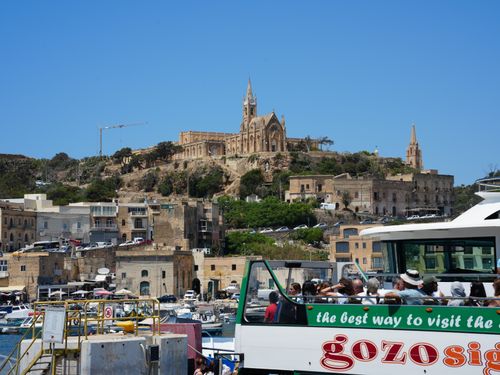
Malta's quieter sister island, 25 minutes by ferry from Ċirkewwa (north Malta). More rural, greener in spring, less crowded. The Azure Window collapsed in 2017 — don't go expecting to see it — but the island still has Ggantija Temples (older than Ħaġar Qim) and the Citadella in Victoria. Full day minimum.
Ferry: €4.65 return (on foot). Runs roughly every 45 minutes.
Comino & the Blue Lagoon
The tiny island between Malta and Gozo. The Blue Lagoon has the most photographed water in the country. It's also extremely crowded June–September. If you're going in peak season, take an early morning boat and leave before noon. Afternoon visits are genuinely unpleasant.
Boat trips from Sliema or Valletta: €15–20.
Sicily
If your trip is long enough, a day in Sicily is doable via the Virtu Ferries service. Pozzallo is a small port town — charming but limited. Catania is the better destination for a quick visit.
Compare Malta–Sicily ferry prices on Ferryscanner
Budget Breakdown
| Budget | Mid-range | Comfort | |
|---|---|---|---|
| Accommodation/night | €40–70 | €90–140 | €180–300+ |
| Food/day | €20–30 | €40–60 | €80–120 |
| Transport/day | €5–10 (buses) | €15–25 (car/taxi mix) | €30–50 (car + extras) |
| Activities/day | €10–20 | €30–50 | €60–100 |
| Total/day | €75–130 | €175–275 | €350–570 |
Sample: 4 days in Malta for €400 (budget)
- Day 1: Arrive, bus to Valletta guesthouse, evening walk along the bastions
- Day 2: Valletta full day + Birgu by ferry (€2.80 return)
- Day 3: Rent a scooter (€25/day) for south coast — Marsaxlokk market, Blue Grotto, Ħaġar Qim
- Day 4: Mdina + Rabat + St. Paul's Catacombs, evening departure
Tight but very doable. The pastizzi budget alone will save you.
Practical Tips
Travel Insurance
Malta is EU, so EHIC/GHIC covers EU citizens for medical emergencies. For everyone else — and for trip cancellation, lost luggage, and anything beyond basic emergency care — get proper insurance before you fly.

World Nomads
Travel insurance for independent travelers from 100+ countries. Covers medical emergencies, trip cancellation, lost luggage, and adventure activities. Check the policy wording for full coverage details.
Get a Quote →We receive a fee when you get a quote from World Nomads using this link. We do not represent World Nomads. This is not a recommendation to buy travel insurance.
eSIM
Malta has solid 4G coverage across the island. A local eSIM saves you roaming charges if your home plan doesn't cover EU.
Get a Malta eSIM from Airalo — activate before you leave, works the moment you land.
Money
Euro everywhere. ATMs in Valletta, Sliema, and at the airport. Avoid airport currency exchange booths — terrible rates.
Wise card for spending: no foreign transaction fees, real exchange rate. Genuinely useful for any EU trip.
Getting Around Without a Car
The bus network is better than most people expect. The main gaps: late nights (buses stop around 11pm) and the far south. For those, taxi apps (eCabs is the main local one) or a one-day car rental work fine.
Safety
Malta is very safe. Standard city precautions apply in Paceville (St. Julian's nightlife district) at night. The rest of the island is relaxed.
Packing for Malta
Malta's old cities — Valletta, Mdina, Birgu — are all cobblestones. A wheeled suitcase becomes a problem fast. Packing cubes keep your bag organized when you're moving between guesthouses, and an anti-theft backpack is worth considering for crowded areas like the Valletta market and Marsaxlokk Sunday fish market. See our full Mediterranean packing guide for specific picks.
Visa
EU citizens: no visa needed. UK, US, Canadian, Australian citizens: visa-free for up to 90 days (Schengen). Check your specific passport at the Malta official immigration website.
Best Time to Visit
Best overall: May and October — warm sea, manageable crowds, prices 20–30% lower than peak.
| Month | Temp | Crowds | Prices | Best for |
|---|---|---|---|---|
| Jan–Feb | 14–17°C | Very low | Low | Cheapest prices, quiet, some reduced hours |
| March–April | 17–22°C | Low | Low–Mid | Wildflowers on clifftops, great hiking |
| May–June | 24–30°C | Medium | Mid | Sweet spot — good weather, manageable crowds |
| July–August | 33–36°C | Very high | Peak | Beach lovers who book 3 months ahead |
| September–October | 26–30°C | Medium | Mid | Sea still warm from summer, best all-round months |
| Nov–Dec | 16–20°C | Low | Low | Quiet, some rain, Christmas period picks up |
Avoid July–August if: you hate queues, €90+ hotel rooms, and waiting 40 minutes for a ferry to Comino.
Go in January–February if: budget is the priority. Prices drop 40%, beaches are empty, and most sites are fully open.
Festivals worth timing around:
- Carnival (February/March) — colorful street parades in Valletta
- Isle of MTV (June/July) — free outdoor concert, attracts 50,000+
- Notte Bianca (October) — Valletta's cultural night, museums open free until late
- Festa season (June–September) — village feast days with fireworks, processions, and food
FAQ
Is Malta worth visiting for a long weekend? Yes, easily. Four days is enough to see Valletta, Birgu, Marsaxlokk, and Mdina without rushing. Add a day if you want Gozo.
Is Malta expensive compared to other Mediterranean islands? Mid-range. Cheaper than Santorini or Mykonos, more expensive than Albania or North Macedonia. Similar to southern Croatia or mainland Greece. Budget €75–130/day for a comfortable experience.
Do I need to speak Maltese? No. English is an official language and everyone speaks it fluently. You'll see bilingual signs everywhere.
Is Malta good for families with kids? Yes. Safe, easy to navigate, good beaches on the north coast, and the history is genuinely interesting for older kids. Younger ones enjoy the boat trips and Sunday market at Marsaxlokk.
Can I visit Malta without a car? For Valletta, Sliema, and Mdina — yes, buses work fine. For Marsaxlokk and the south coast, a car or taxi makes things much easier. A one-day car rental for the south is a good compromise.
What's the difference between Birgu and Valletta? Valletta was built after the Great Siege as the new capital. Birgu is older — the Knights lived there before Valletta existed. Birgu is quieter, less touristy, and more atmospheric for an afternoon.
Is the Blue Lagoon worth it in summer? Worth it, but only if you go early. By 11am in July/August it's genuinely packed. Take the first boat of the day and leave by noon.
Conclusion
Malta rewards slow travel. It's the kind of place where you think you've seen everything after the first day, then spend three more days finding things you didn't expect — a Baroque side street, a harbour view at sunset, a village festa with fireworks that go on for two hours.
The combination of Valletta's grandeur, Birgu's quiet history, Marsaxlokk's Sunday market, and Mdina's medieval stillness is hard to find compressed into such a small space anywhere else in the Mediterranean.
Plan four days minimum. Five is better.
Search Malta hotels on Booking.com · Book Malta tours on GetYourGuide
Read next: Valletta Travel Guide · Birgu Guide · Marsaxlokk Guide · Mdina & Rabat Guide
World Nomads
Travel insurance for independent travelers from 100+ countries. Covers medical emergencies, trip cancellation, lost luggage, and adventure activities. Check the policy wording for full coverage details.
Get a Quote →We receive a fee when you get a quote from World Nomads using this link. We do not represent World Nomads. This is not a recommendation to buy travel insurance.
Skip Roaming Fees in Malta
Airalo eSIMs work in 190+ countries. Buy before you fly, activate on arrival. No physical SIM needed. Just scan a QR code.
Get an eSIM →Affiliate link — we earn 10% commission at no extra cost to you.

